Signs Your Home's Electrical System Needs Attention
Most electrical trouble announces itself well before it becomes dangerous, if you know which small annoyances are worth taking seriously.
October 21, 2026 · 4 min read
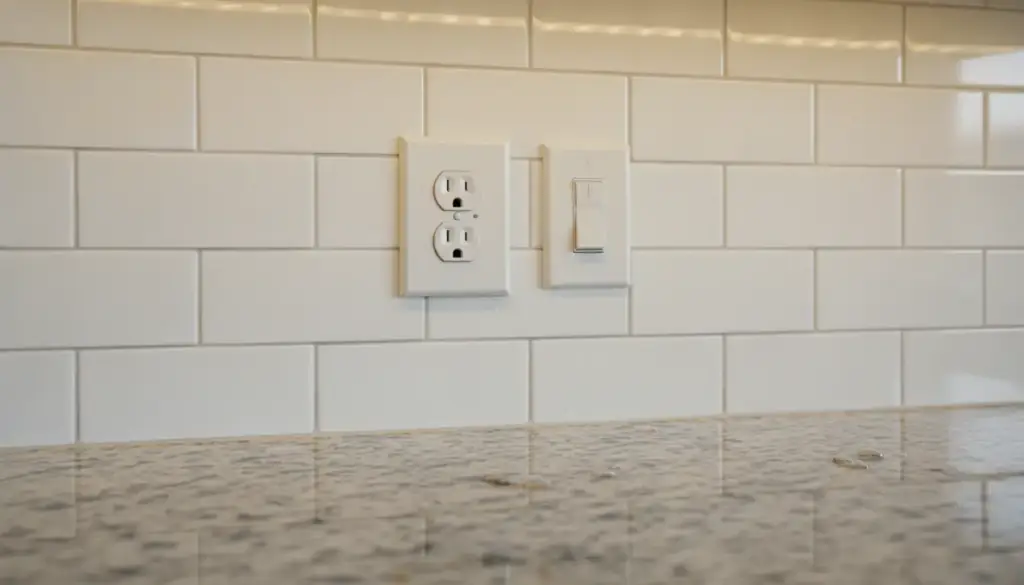
Small annoyances that are really warnings
Houses talk to their owners through small, repeated annoyances. A light that flickers when the air conditioner kicks on. An outlet that feels a little warm. A breaker that trips every time the microwave and toaster run together. It is easy to shrug these off, flip the breaker back and move on. But electrical problems rarely fix themselves, and the ones that matter most tend to start quietly.
This is a guide to the signs that deserve attention, what they often mean, and which ones should send you to the phone. None of this replaces having a qualified electrician look at your house, and it is not a reason to open a panel or a wall yourself. Treat it as a way to know when to ask for help.
Breakers that trip again and again
A breaker is a safety device. When it trips, it is doing its job, usually because a circuit was asked to carry more than it was built for or because something is wrong on the line. One trip during a storm or when you ran too many appliances is not a mystery. A breaker that trips repeatedly is telling you something.
Common causes are overloaded circuits, a failing appliance, or a loose connection. The wrong response is to swap in a bigger breaker. The breaker size is matched to the wire behind it, and a breaker that is too large lets the wire overheat before it trips. If a circuit keeps tripping, an electrician should trace the cause, not just the symptom.
Warm outlets, buzzing, and burning smells
Outlets and switch plates should stay at room temperature. If one feels warm to the touch, discolored, or gives off a faint buzz or a hot-plastic smell, stop using that outlet and call someone. Heat at a device usually points to a loose connection or worn contacts, and loose connections are one of the classic starting points for electrical fires.
Pay particular attention to outlets that feel loose when you plug something in, plugs that fall out on their own, and scorch marks around a receptacle. These get worse over time. An old outlet is cheap to replace. A damaged one left in service can be much more costly.
Flickering, dimming and half-dead circuits
Lights that dim briefly when a big appliance starts are common and often harmless. Lights that flicker constantly, or circuits where only part of the room works, are different. They can mean a loose neutral, a failing connection at the panel, or a problem out on the service. Some of these issues are inexpensive to fix. Others affect the whole house, so they deserve a proper look.
If lights brighten and dim across the whole house, or you notice a tingle from an appliance or a metal fixture, treat that as urgent. Shut off what you can safely and have it checked soon.
An old panel and a growing list of loads
Many houses in Middle Georgia were built decades ago, and their electrical systems were designed for a very different life: fewer appliances, no home offices, no electric vehicles. If your home still has an older panel, a fuse box, or a panel with no open spaces left, it may be working harder than it was meant to.
Warning signs include a panel that is warm, rusty, or has signs of scorching, breakers that are hard to reset, and double-tapped or crowded connections. A panel upgrade or a service upgrade is sized to the loads you actually have and the ones you plan to add. It also gives you room, new breakers and properly labeled circuits.
Adding a big load is the moment to ask the question. Before you install a hot tub, a workshop, an electric range, a second air conditioner or a car charger, have someone look at the service and the panel. Sometimes the answer is that everything is fine. Sometimes the answer is that the panel needs work first, and it is far better to learn that before the new equipment is sitting in the yard.
If you notice any of these signs, stop using the affected outlet or appliance, and do not try to repair wiring yourself. Write down what you saw: which room, what you were running, how often it happens. That information helps an electrician find the cause faster.
A good electrician will trace the problem, test it, explain what they found in plain language, and tell you what needs to be done and what can wait. If your home in Warner Robins or elsewhere in Houston County is showing any of these signs, call 4A Electrical at (478) 365-3438. We are open Monday through Friday, 8:00 to 4:30.
4A Electrical Ltd. Co., (478) 365-3438
Call (478) 365-3438More articles
Wiring a Custom Home in Houston County: What to Settle Before Rough-In
Electrical work in a new house happens in two stages, and almost every regret traces back to a choice that wasn't made before the first one.
Home Standby Generators in Middle Georgia: Sizing, Placement and Upkeep
A standby generator only earns its place on the night the grid goes down, and whether it does depends on decisions made long before then.